
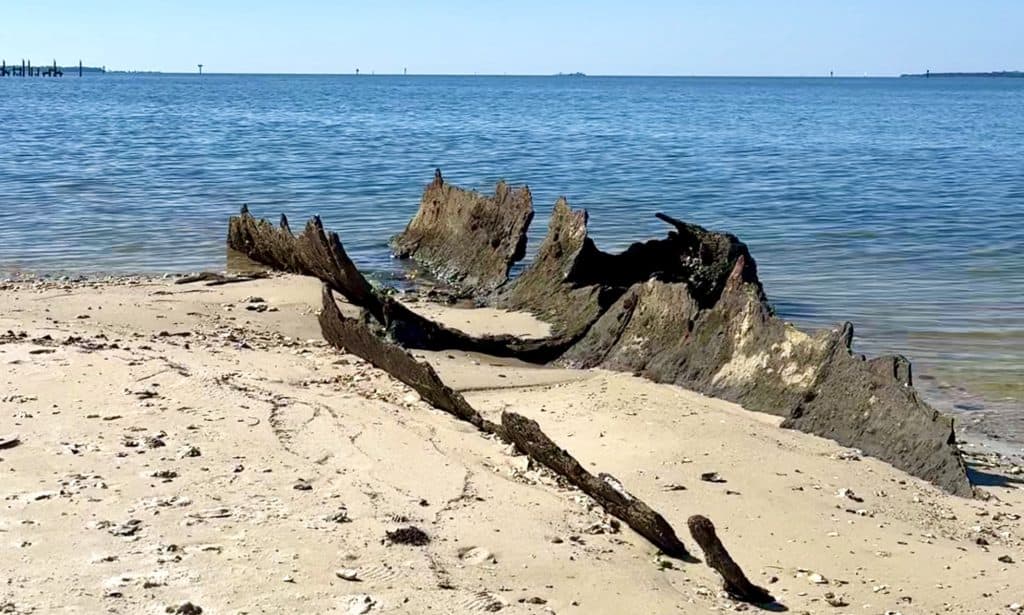
Nestled on Florida’s Nature Coast, Cedar Key Florida history is a captivating tale of ancient Native American settlements, booming 19th-century industries, devastating natural disasters, and modern conservation triumphs. As one of the oldest towns in the Sunshine State, Cedar Key, named for the abundant eastern red cedar trees that once blanketed its barrier islands, offers visitors a glimpse into pre-Columbian life, the end of the Second Seminole War, and the rise of the pencil mill era. Whether you’re wondering “When was Cedar Key founded?” or curious about John Muir’s legendary walk to the islands, this guide uncovers the key events that shaped this hidden gem. Explore archaeological wonders like the Shell Mound dating back to 500 BC, the historic Seahorse Key Lighthouse, and the establishment of the Cedar Keys National Wildlife Refuge, all while planning your visit via a scenic boat tour.
Ancient Native American Roots: Timucua Tribes and Pre-Columbian Habitation
Cedar Key history begins long before European arrival, with evidence of Native American habitation dating to around 1000 BC. Archaeological digs at the nearby Shell Mound reveal artifacts like spear points from the Paleo period and Deptford culture around 500 BC. The Timucua Indians, along with Apalachee and Creek tribes, used the Cedar Keys as seasonal fishing camps, harvesting scallops, oysters, and fish from the shallow seagrass flats. These early inhabitants left behind tabby foundations and burial sites, including a 2,000-year-old skeleton discovered in 1999.
(Archaeological insights: Florida State Parks – Cedar Key Scrub State Reserve)
By the 1500s, diseases brought by Spanish explorers decimated these populations, absorbing survivors into the Seminole tribe. Pirates like Jean Lafitte even used Seahorse Key as a lookout around 1800.
Early Settlement and the Boom of the 1840s: Railroad, Pencil Mills, and Seminole War Legacy
When was Cedar Key founded? The modern story starts in the early 1840s, when settlers arrived on Way Key and Atsena Otie Key. The Second Seminole War ended here in 1842, marking Cedar Key as Florida’s first cross-state railroad terminus in 1860. This rail line transported lumber, turpentine, cotton, and seafood, transforming the islands into a bustling port.
The cedar industry boomed around 1855, thanks to Eberhard Faber, who established the famous Faber pencil mill on Atsena Otie Key. By 1860, the island had over 200 residents, stores, a school, post office, and the 1854 Seahorse Key Lighthouse, the oldest standing on Florida’s Gulf Coast. During the Civil War, Cedar Key supported Confederate salt production. By the 1880s, it was Florida’s second-largest city, drawing tourists via train.
The Devastating 1896 Hurricane: From Bustling Port to Ghost Town
What happened in the 1896 hurricane? This Category 3 storm struck on September 28, 1896, obliterating Atsena Otie Key. Winds up to 100 mph destroyed homes, the pencil mill, and businesses, killing several residents and forcing survivors to relocate to Way Key. The community became a ghost town, its ruins now accessible via interpretive trails. This disaster shifted Cedar Key’s economy to seafood, with oystering and clamming sustaining the population.
John Muir’s Visit and 20th-Century Conservation: From Malaria Recovery to Wildlife Refuge
In 1867, naturalist John Muir walked from Kentucky to Cedar Key, recovering from malaria at a local home. His writings immortalized the islands’ beauty, inspiring the Sierra Club. A John Muir exhibit now graces the Cedar Key Historical Society Museum.
The town incorporated in 1869, but the railroad’s abandonment in 1932 refocused efforts on seafood. Conservation peaked in 1929 when President Herbert Hoover created the Cedar Keys National Wildlife Refuge, one of the first for colonial nesting birds like pelicans, ibis, and roseate spoonbills. Today, it spans 13 islands and 762 acres, protecting over 250 bird species, manatees, and sea turtles. St. Clair Whitman donated his collections in 1959, forming the Cedar Key Museum State Park.
(Official USFWS: Cedar Keys NWR; Florida State Parks – History)
Why Cedar Key’s History Captivates Today: Pirates, Pencils, and Pristine Nature
From Timucua fish camps to Faber’s pencil empire and the 1896 hurricane’s wrath, Cedar Key history blends adventure, industry, and resilience. The Cedar Key Historic and Archaeological District preserves this legacy. Visit the museum for artifacts or hike Atsena Otie’s trail past tabby ruins.
The best way to immerse yourself? A guided island tour or sunset cruise with Tidewater Tours, Cedar Key’s trusted operator since 2002. Land on Atsena Otie, spot dolphins near Seahorse Key, learn about the modern clamming industry, and hear tales of pirates, railroads, and the Civil War from local captains, ideal for history buffs and families alike.
Book now: Tidewater Tours
Why is Cedar Key called Cedar Key? For its cedar forests. With exceptional water quality supporting clam farming and rare birds like osprey, Cedar Key proves history and nature coexist beautifully.